

Introduction
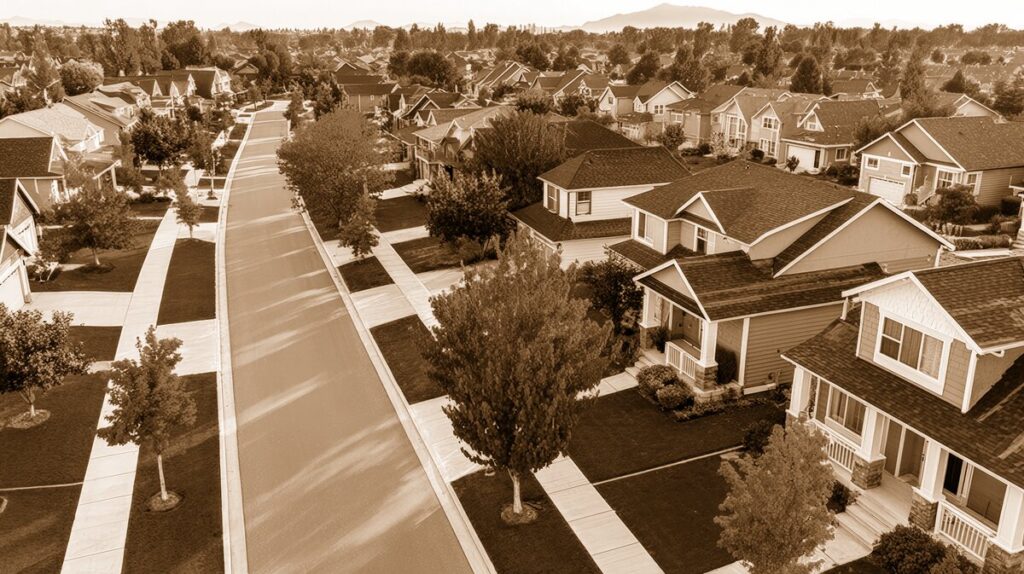
Nestled just south of the charming downtown, Old Davidson is more than a neighborhood—it’s the heritage heartbeat of Davidson, NC. Streets shaded by ancient oaks, cottage facades whispering with age, and the eclectic mix of historic homes all tell stories of how this community began and flourished. For newcomers and longtime residents alike, Old Davidson stands as a proud reflection of this college town’s roots.
The Origins: From Mill Village to Modern Neighborhood
Old Davidson’s story stretches back to the mid-19th century, intricately connected to the rise of Davidson College and the surrounding rural countryside. In the 1830s, Presbyterian leaders founded Davidson College, naming both the institution and the emerging village after General William Lee Davidson, a Revolutionary War hero who fell at the nearby Battle of Cowan’s Ford. The town quickly grew up around the college, fostering an identity steeped in learning, progress, and community spirit.
With the arrival of the railroad in the 1850s, the area that would become Old Davidson transformed rapidly. What began as a cluster of faculty housing, small farmsteads, and service businesses expanded to include mill worker homes, general stores, and churches. This blend of town and gown still flavors Old Davidson today—a unique neighborhood where the line between college campus and community has always been delightfully blurred.
How Old Davidson Got Its Name
The “Old Davidson” designation refers not just to geographic boundaries, but to the historic heart of Davidson itself. The neighborhood’s core—roughly bounded by Chairman Blake Lane to the north, South Street to the south, and the railroad tracks to the west—encompasses some of the first streets laid out in town: Concord Road, Lorimer Road, and the meandering stretches of Thompson Street and South Street.
This was Davidson’s original “walkable” area, where merchants, teachers, and families all mingled during daily errands or while walking students to the stately columns of the college. Over time, newer neighborhoods sprouted on the outskirts, but locals continued to refer to this zone as “Old Davidson” in recognition of its foundational role in the town’s story.
Key Historical Milestones
- 1837: Davidson College is established; the village begins to grow around it.
- 1850s: The expansion of the railroad brings economic growth and connects Davidson to Charlotte and points north.
- Early 1900s: Textile mills pop up nearby, notably Linden Cotton Mill, drawing workers who settle in mill cottages along streets like Delburg and Watson.
- 1920s: Landmark civic buildings such as the Davidson Town Hall and the Davidson Public Library are constructed, cementing Old Davidson as the center of community life.
- 1950s-1970s: The rise of automobile travel brings changes; some historic buildings give way to new commercial developments, but many older homes remain.
- 1980s-present: Preservation efforts take hold, highlighted by residents and local officials who champion restoration of historic properties and thoughtful infill development.
Each of these milestones left a visible mark on Old Davidson’s built environment—whether in the sturdy craftsman cottages on South Street or the elegant clapboard houses lining Concord Road.
Notable Landmarks and Buildings
A stroll through Old Davidson is like stepping into a living museum. Here are just a few of the neighborhood’s most beloved landmarks:
- Davidson College: The anchor of the community, its gothic and neoclassical buildings, including Chambers Hall and Old Chambers (rebuilt after fire in 1921), overlook the neighborhood.
- Carnegie Guest House: Built in 1910 with funds donated by Andrew Carnegie, this lovely brick structure on North Main Street is a historic inn that once hosted visiting dignitaries and professors.
- Davidson Public Library: Established in 1909, the classic Colonial Revival building on South Street remains a hub for local learning and activities.
- Linden Cotton Mill: While largely redeveloped, remnants of the old lint-speckled factories and worker cottages still dot Delburg Street, recalling the town’s manufacturing heyday.
- Presbyterian Church complex: The stately stone church on South Main, with its soaring steeple, has offered community and comfort since the mid-19th century.
Many homes in Old Davidson are themselves architectural gems—ranging from Victorian painted ladies to Arts & Crafts bungalows, each lovingly preserved or restored by generations of residents.
Parks, Streets, and Community Institutions
- Roosevelt Wilson Park: Tucked along Griffith Street, this tranquil green space once formed part of a larger farm. Its pond and walking paths are a favorite place for neighbors to gather or simply enjoy a sunny afternoon.
- Concord Road and Lorimer Road: These leafy, picturesque streets carry echoes of what town life must have looked like in the late 1800s—front porches, flowering dogwoods, and kids playing under the watchful gaze of college spires.
- Old Davidson Elementary (now a private residence/office): This red-brick school on South Street served generations of children before closing, but its facade still stirs nostalgia for many locals.
Institutions like Summit Coffee, the Davidson Farmer’s Market, and the local post office also anchor daily routines in Old Davidson, fostering a strong sense of place and belonging.
Old Davidson Today: Evolution and Preservation
Despite inevitable changes, Old Davidson retains its magnetic character by valuing both history and progress. Older homes are lovingly updated, while new construction is often designed to harmonize with established streetscapes. Community members—many of them alumni or faculty of Davidson College—have banded together to ensure that development honors the neighborhood’s past.
Regular events like Second Saturdays, the Christmas parade, and Fourth of July celebrations spill into the streets, drawing folks from all over town and keeping Old Davidson’s traditions alive.
Preservation efforts, such as the creation of the Davidson Historic District and ongoing restoration plans, safeguard not just individual buildings, but the very “feel” of Old Davidson. It remains a place where neighbors actually know each other, where local history is living memory, and where walking to Main Street or the college is a daily pleasure.
Conclusion
For those who call Old Davidson home, the appeal lies in more than its historic houses or shaded lanes. It’s about continuity—a neighborhood where history is always present, where every corner tells a story, and where community matters. Whether you’ve lived here for generations or are discovering its charms for the first time, Old Davidson offers a warm embrace and a deep sense of belonging—making it the true heritage heart of Davidson, NC.